
25 Dental Hygienist Interview Questions and Answer Tips
A Quick Summary of Dental Hygienist Interview Questions and Answers Tips Getting your first dental hygiene interview is exciting, but it can also bring a new question: how do you show an employer what you can do when much of your experience has taken place during training? The good news is that your clinical education gives you plenty to discuss. At CADH, students in our Dental Hygiene Diploma Program progress through pre-clinical and clinical practice

Level I vs. Level II Dental Assistants in Ontario: What Is the Difference?
In Brief: Difference Between Level 1 and Level 2 Dental Assistants The main difference between Level I and Level II dental assistants in Ontario is that Level II assistants can perform specified intra-oral procedures under a dentist’s direction. Level I assistants focus primarily on chairside and extra-oral duties. In Ontario, dentists may assign Level II duties to dental assistants who hold the NDAEB certificate, subject to limited historical exceptions. Dental radiography is a separate issue:

Inside a Dental Hygiene Clinic: What Students Learn Before Working With Real Patients
In Brief: What Students Learn in a Dental Hygiene Clinic A dental hygiene clinic gives students an opportunity to move from classroom and laboratory learning into supervised clinical practice. Students can develop skills in patient assessment, oral health education, instrumentation, infection prevention, documentation, and professional communication before entering the profession. Working with patients also helps students learn how to adapt their knowledge to individual needs while following professional standards. Learning the theory behind oral health

3 Things to Consider Before Choosing a Dental Hygiene Program
Why Choose Dental Hygiene as a Career in Brief Choosing the right dental hygiene program is about more than location or tuition. Look for a school that combines strong academics, extensive clinical experience, and career-focused preparation. Understanding why you chose dental hygiene as a career can also help you select a program that aligns with your long-term goals. A career in dental hygiene offers the opportunity to improve people’s oral health while working in a

Dental Assistant vs. Dental Hygienist: Which Career Path Fits Your Goals?
TL;DR The dental assistant vs dental hygienist comparison often comes down to career goals, daily responsibilities, and educational pathways. Both careers support patient care and play important roles within dental practices. Dental assistants typically focus on clinical support and office operations, while dental hygienists provide preventive oral healthcare services and patient education. The dental assistant vs dental hygienist decision is one many aspiring dental professionals face when exploring career opportunities. While both roles work closely
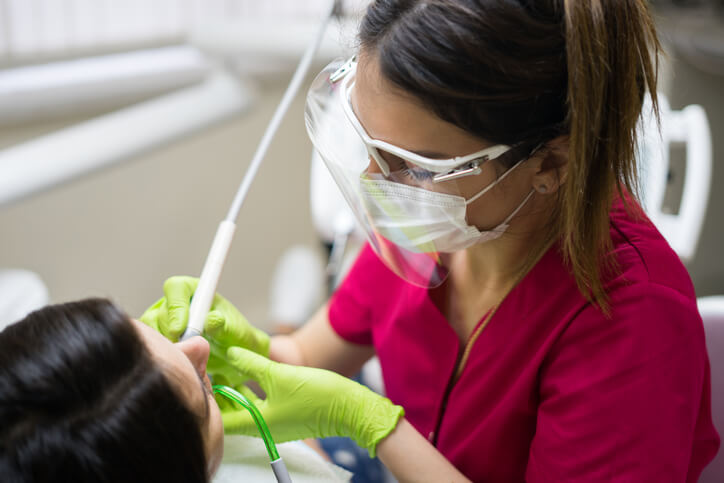
Thinking of Becoming a Dental Hygienist? Here’s What You’ll Do
TL;DR If you are wondering, “What does a dental hygienist do?”, the role involves much more than routine teeth cleaning. Dental hygienists help prevent oral disease, perform patient assessments, take X-rays, provide preventive treatments, educate patients, and support overall oral health. The profession combines clinical skills, communication, patient care, and preventive healthcare knowledge. Many students pursuing a dental hygienist diploma are preparing for careers focused on helping patients maintain healthier smiles and detect oral health
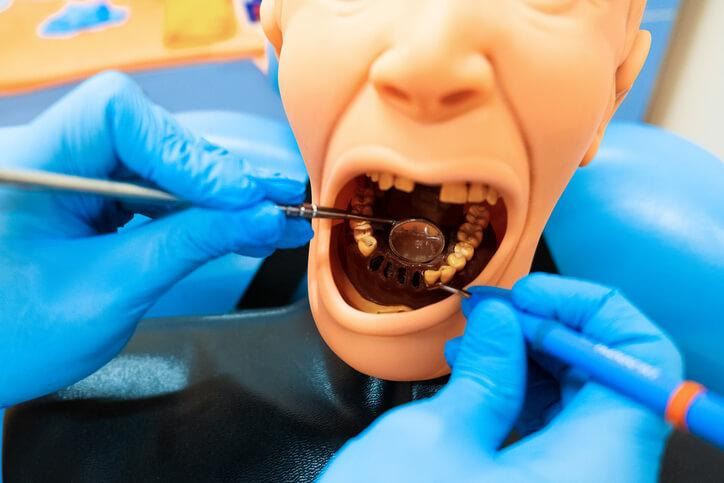
From Student to Dental Hygienist: How Long Does It Take?
TL;DR How long does it take to become a hygienist? The time it takes to become a dental hygienist depends on the program format and licensing process, but most students can expect to complete their education and enter the workforce in approximately two to three years. If you’re exploring a career in oral health, one of the first questions you’re likely asking is how long will it take to become a dental hygienist. It’s a
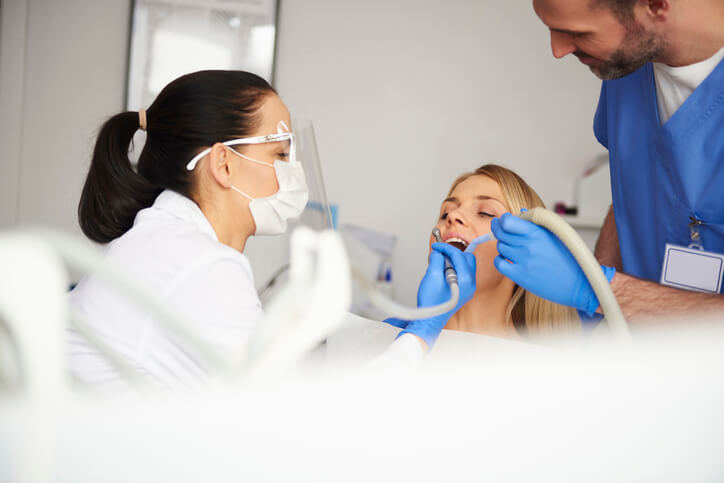
Beyond General Practice: Where Dental Assistants Can Work
TL;DR Many people assume dental assistants work only in general dental clinics. In reality, there are many places where dental assistants work, including orthodontic practices, oral surgery clinics, hospitals, and specialty dental centers. Training prepares dental assistants to work across multiple clinical environments. Dental assisting is a dynamic healthcare career that offers more variety than many people expect. While general dental clinics are the most common workplace, they represent only one of many settings where

How Dental Assistants Help Calm Anxious Patients and Improve Dental Visits
TL;DR: Dental anxiety affects many patients, and dental assistants are often the first people who can ease that fear. Through calm communication, preparation, pacing, and compassionate chairside support, dental assistants help patients feel safer—improving both the visit and long-term oral health outcomes. Dental anxiety is more common than many people realize, and it can show up in quiet ways. A patient may cancel at the last minute, struggle to sit still in the chair, ask

7 Must-Have Skills for Dental Assistants in 2026
TL;DR Dental assistants in 2026 need a blend of technical expertise, digital literacy, and strong communication skills. As dental clinics adopt new technologies and patient expectations evolve, mastering these dental assistant skills is essential for long-term success. Dental assisting has changed significantly over the past decade, and it continues to evolve. Today’s dental assistants are expected to do far more than support chairside procedures. They play a central role in patient experience, clinic efficiency, and