TL;DR
Many people assume dental assistants work only in general dental clinics. In reality, there are many places where dental assistants work, including orthodontic practices, oral surgery clinics, hospitals, and specialty dental centers. Training prepares dental assistants to work across multiple clinical environments.
Dental assisting is a dynamic healthcare career that offers more variety than many people expect. While general dental clinics are the most common workplace, they represent only one of many settings where dental assistants build successful careers.
Understanding where dental assistants work helps reveal the flexibility and opportunities within this profession. Dental assistants support dentists and specialists in many different dental assistant work environments, each with unique procedures, technologies, and patient needs.
With proper education, such as an intra-oral dental assistant program, graduates gain the practical skills required to assist with a wide range of dental procedures.
Where Dental Assistants Work: General Dental Practices
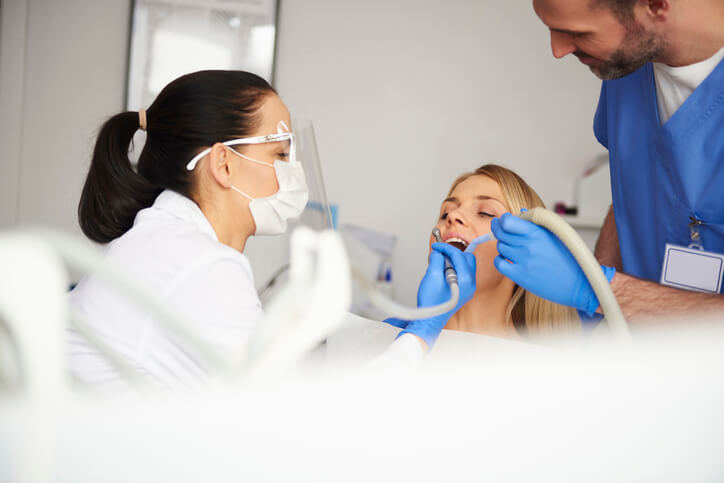
General dental clinics remain the most common workplace for dental assistants. In these settings, assistants help dentists provide routine care such as examinations, fillings, cleanings, and preventative treatments.
Dental assistants prepare instruments, sterilize equipment, assist during procedures, take radiographs, and ensure patients feel comfortable throughout their appointments. Working in a general clinic allows assistants to develop a broad range of skills while supporting patients of all ages.
What specialties hire dental assistants?
Dental assistants can work in orthodontics, oral surgery, pediatric dentistry, cosmetic dentistry, and periodontics clinics.
Orthodontic Clinics
One of the most common dental assistant specialties is orthodontics. A dental assistant’s orthodontic role involves supporting orthodontists who specialize in correcting alignment issues such as crowded teeth, bite problems, and jaw irregularities. Assistants in these clinics help with brace placement, adjustment appointments, and orthodontic imaging.
They may also educate patients on maintaining braces and oral hygiene during treatment. Because orthodontic care often involves long-term treatment plans, assistants frequently build strong relationships with patients throughout their care journey.
Oral Surgery Clinics
Another specialized environment is oral and maxillofacial surgery.
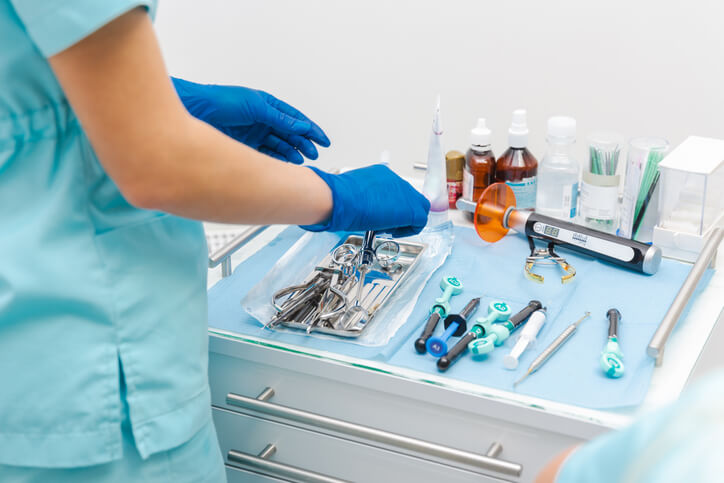
In dental assistant oral surgery settings, assistants support surgical procedures such as wisdom tooth extractions, dental implants, and corrective jaw surgery. These clinics often require additional attention to sterilization procedures, surgical preparation, and patient monitoring.
An intra-oral dental assistant may prepare surgical instruments, assist with sedation protocols, and help manage post-operative patient care instructions. These roles can be particularly appealing for dental assistants interested in surgical procedures and advanced dental treatments.
Hospitals and Surgical Centres
Do dental assistants work in hospitals? Yes, dental assistants may work in hospitals or specialized surgical centers. In these environments, dental professionals often support oral surgery teams or assist in treating patients with complex medical needs.
Hospital-based dental teams may treat trauma cases, severe infections, or patients requiring specialized care due to medical conditions. These positions often require collaboration with surgeons, anesthesiologists, and other healthcare professionals.
The Government of Canada’s Job Bank notes that dental assistants can work in a variety of healthcare settings beyond traditional dental offices.
Specialty Dental Clinics
There are many other dental assistant career options within specialty clinics.
Some dental assistants work in periodontics clinics that focus on gum disease treatment. Others work in pediatric dentistry practices specializing in children’s dental care. Cosmetic dentistry clinics may also employ dental assistants who help perform whitening treatments, veneers, and aesthetic procedures.
These varied dental assistant work environments allow professionals to explore areas of dentistry that match their interests and skills. Students completing dental assistant training gain experience in infection control, patient care, radiography, and clinical procedures, all of which prepare them for multiple clinical settings.

Why Dental Assisting Is a Flexible Career
One of the most appealing aspects of dental assisting is career flexibility. As dental professionals gain experience, they may transition between different specialties or environments.
Some assistants choose to remain in general dentistry, while others pursue opportunities in orthodontics, oral surgery, pediatric dentistry, or hospital-based care. Because dental assistants develop strong clinical and patient-care skills, they often adapt well to different practice styles and healthcare settings.
Programs such as the dental assistant course at The Canadian Academy of Dental Health & Community Sciences help build this foundation by combining technical training with practical clinical experience.
Are you looking for comprehensive dental assistant training?
Contact The Canadian Academy of Dental Health & Community Sciences for more information.
Key Takeaways
There are many places where dental assistants work, including general dental clinics, orthodontic practices, oral surgery clinics, hospitals, and specialized dental centers.
These diverse dental assistant work environments allow professionals to explore different specialties and build flexible career paths.
With proper training and experience, dental assistants can pursue multiple dental assistant career options, making the profession both versatile and rewarding.
FAQ
Can dental assistants work in orthodontics?
Yes. Orthodontic clinics frequently hire dental assistants to help with braces placement, adjustments, imaging, and patient education.
What specialties hire dental assistants?
Dental assistants can work in orthodontics, oral surgery, pediatric dentistry, cosmetic dentistry, and periodontics clinics.
Do dental assistants work in hospitals?
Yes, dental assistants may work in hospitals or specialized surgical centers. In these environments, dental professionals often support oral surgery teams or assist in treating patients with complex medical needs.
Is dental assisting a flexible career?
Yes. Dental assistants can work in many clinical environments and may move between specialties as they gain experience.