TL;DR
Dental assistants in 2026 need a blend of technical expertise, digital literacy, and strong communication skills. As dental clinics adopt new technologies and patient expectations evolve, mastering these dental assistant skills is essential for long-term success.
Dental assisting has changed significantly over the past decade, and it continues to evolve. Today’s dental assistants are expected to do far more than support chairside procedures. They play a central role in patient experience, clinic efficiency, and the adoption of new dental technologies. As the profession moves forward, dental assistant skills are expanding to meet the demands of modern dental practices.
Whether you’re entering the field or looking to strengthen your professional foundation, understanding which skills matter most in 2026 can help you stay competitive. Below, we explore the essential technical, digital, and interpersonal skills shaping the modern dental assistant role.
1. Strong Chairside and Clinical Support Skills
Clinical competence remains the foundation of dental assisting. Dental assistants are responsible for preparing treatment rooms, assisting during procedures, handling instruments, and maintaining a sterile environment.
These dental assistant technical skills directly impact patient safety and workflow efficiency. From infection control protocols to proper instrument handling, clinics rely on assistants who can perform these tasks confidently and consistently.
2. Clear Communication and Patient Interaction
Are communication skills important for dental assistants? Absolutely. Dental assistants are often the first and last point of contact for patients during appointments. Clear communication helps patients understand procedures, feel at ease, and trust the care they receive.
Strong dental assistant soft skills, including empathy, active listening, and professionalism, are essential when working with anxious or vulnerable patients. We’ve seen how effective communication can transform a patient’s experience and improve clinic satisfaction.
3. Digital Literacy and Technology Comfort
Dental clinics increasingly rely on digital tools, from electronic health records to digital imaging systems. As a result, dental assistant digital skills are no longer optional.
Assistants must be comfortable navigating practice management software, updating patient charts, and assisting with digital diagnostics. According to the Canadian Dental Association, technology integration is now a core part of modern dental practice operations.

4. Infection Control and Safety Awareness
Infection prevention remains one of the most critical skills for dental assistants. Strict protocols protect both patients and staff while ensuring compliance with regulatory standards.
In real clinic environments, attention to detail in sterilization, PPE use, and workspace cleanliness makes a measurable difference. These skills are reinforced through formal dental assistant training and ongoing professional development.
5. Adaptability in the Modern Dental Assistant Role
The modern dental assistant role requires flexibility. Assistants often shift between clinical tasks, administrative support, and patient communication throughout the day.
Being adaptable means responding calmly to schedule changes, new technologies, and evolving clinic needs. This versatility is one of the most valued skills for dental assistants working in fast-paced practices.
6. Teamwork and Collaboration
Dental assistants work closely with dentists, hygienists, and administrative staff. Strong teamwork ensures smooth appointments and efficient clinic flow.
Assistants who communicate well within the dental team help prevent errors and improve patient outcomes. Collaboration is a key skill that supports long-term career growth.
7. Commitment to Learning and Professional Growth
Dental technology, materials, and best practices continue to change. Successful assistants embrace ongoing learning to stay current.
Through dental assistant education, students build a foundation that supports future specialization and advancement. This commitment to growth benefits both the individual and the clinic.
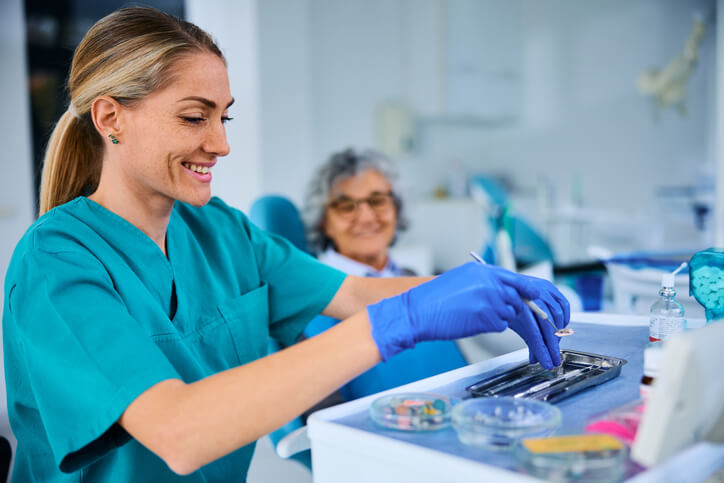
What Skills Does a Dental Assistant Need to Succeed Today?
What skills does a dental assistant need? A successful dental assistant needs a balanced mix of technical competence, communication skills, digital literacy, and professionalism. These combined skills allow assistants to support patient care, clinic operations, and evolving technologies effectively.
What Technical Skills Do Dental Assistants Use Daily?
What technical skills do dental assistants use daily? Daily responsibilities include chairside assisting, infection control, equipment preparation, and digital record management. These skills for dental assistants form the backbone of safe and efficient dental care.
Developing the Dental Assistant Skills Needed in 2026
Developing in-demand skills starts with structured education. Programs focused on hands-on training and real-world clinic environments help students transition confidently into practice.
If you’re considering becoming an intra-oral dental assistant, professional training provides the foundation needed to succeed in today’s dental clinics.
Would you like to become an intra-oral dental assistant?
Contact The Canadian Academy of Dental Health & Community Sciences for more information.
Key Takeaways
- Dental assistant skills are expanding with modern dentistry
- Communication and digital literacy are as important as clinical skills
- Adaptability and teamwork support long-term success
- Ongoing education helps dental assistants stay competitive
FAQ: Dental Assistant Skills
What skills does a dental assistant need?
A successful dental assistant needs a balanced mix of technical competence, communication skills, digital literacy, and professionalism.
Are communication skills important for dental assistants?
Absolutely. Dental assistants are often the first and last point of contact for patients during appointments. Clear communication helps patients understand procedures, feel at ease, and trust the care they receive.
What technical skills do dental assistants use daily?
Daily responsibilities include chairside assisting, infection control, equipment preparation, and digital record management.