TL;DR
If you are wondering, “What does a dental hygienist do?”, the role involves much more than routine teeth cleaning. Dental hygienists help prevent oral disease, perform patient assessments, take X-rays, provide preventive treatments, educate patients, and support overall oral health. The profession combines clinical skills, communication, patient care, and preventive healthcare knowledge. Many students pursuing a dental hygienist diploma are preparing for careers focused on helping patients maintain healthier smiles and detect oral health concerns early.
For students interested in healthcare careers that combine hands-on clinical work with patient interaction, dental hygiene continues to be a popular path. Dental hygienists work closely with patients every day, helping them maintain oral health while supporting preventive care within dental practices.
Many people assume the role only involves cleaning teeth, but the profession includes a much wider range of responsibilities. Modern dental hygienists perform assessments, educate patients, assist with preventive care, and monitor oral health conditions that may require further treatment.
Understanding what a dental hygienist does can help future students decide whether this healthcare career aligns with their interests and strengths.
What Does a Dental Hygienist Do During Patient Appointments?
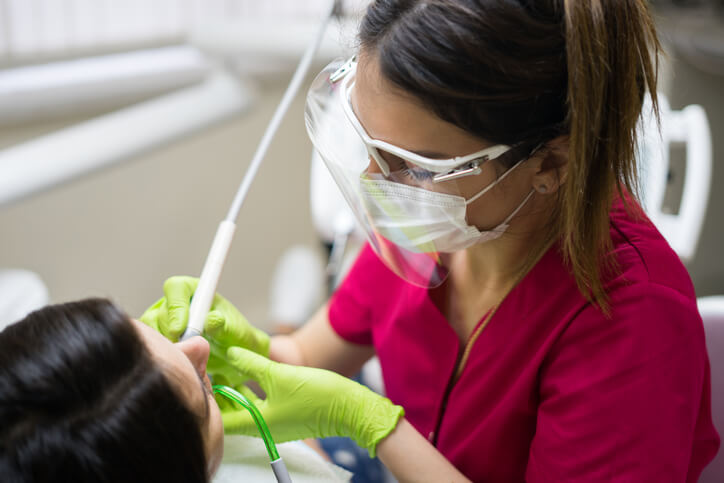
A large portion of a dental hygienist’s work focuses on preventive oral healthcare. During patient appointments, hygienists help remove plaque, tartar, and stains while also examining the mouth for signs of oral disease or other concerns.
Some common dental hygienist job responsibilities include:
- Cleaning teeth and removing buildup
- Taking and reviewing dental X-rays
- Assessing gum health
- Applying fluoride treatments or sealants
- Documenting patient information
- Monitoring oral health changes
- Educating patients about brushing and flossing habits
One important part of the profession is patient interaction. Hygienists often spend significant one-on-one time with patients, helping them feel more comfortable during appointments while explaining oral hygiene practices and preventive care strategies.
The Role of Prevention and Patient Education
One of the most important duties and responsibilities of dental hygienist professionals is helping patients prevent oral health problems before they become more serious.
Preventive care may involve:
- Teaching proper brushing and flossing techniques
- Explaining the importance of regular cleanings
- Identifying early signs of gum disease
- Encouraging healthy oral care habits
- Discussing lifestyle factors that affect oral health
This educational role is a major reason many people find dental hygiene rewarding. Hygienists often build long-term relationships with patients and help reduce anxiety around dental care through communication and trust-building.
Why is dental hygiene important? Understanding this helps students recognize the larger impact preventive oral healthcare can have on overall wellness and quality of life.
The Clinical and Technical Side of Dental Hygiene
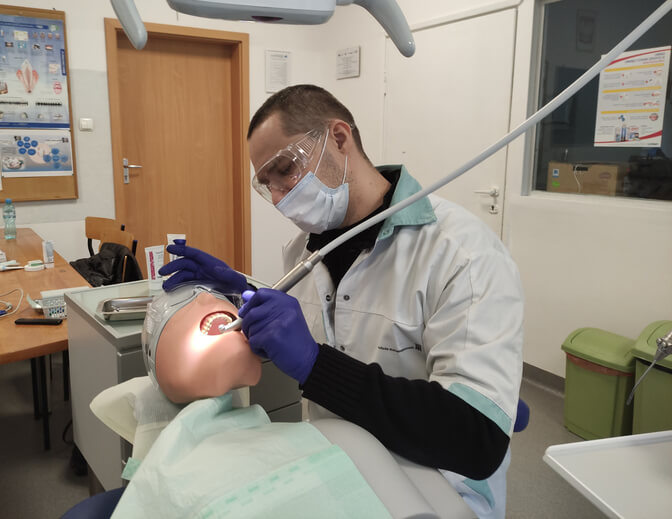
Although communication is important, dental hygiene is also a highly clinical profession. Hygienists work with specialized instruments, dental technology, radiography equipment, and infection control procedures every day.
Dental hygiene programs often include coursework related to:
- Anatomy and physiology
- Oral pathology
- Dental radiography
- Pharmacology
- Microbiology
- Periodontal care
- Infection prevention
- Clinical procedures
Students also complete supervised clinical training to develop hands-on experience working with patients in real treatment settings. What do dental hygienists do? It is important to understand that the profession combines healthcare science with practical patient care skills.
Career Opportunities Beyond Traditional Dental Offices
Although many hygienists work in dental clinics, the profession can also lead to opportunities in:
- Public health programs
- Community healthcare initiatives
- Dental education
- Research environments
- Oral health advocacy
- Specialized dental practices
The Canadian Dental Hygienists Association projects continued growth for dental hygiene careers over the coming years, reflecting ongoing demand for preventive oral healthcare services.
How long will it take to become a dental hygienist? Training requirements vary depending on the educational pathway and licensing requirements within a specific region. Because licensing requirements differ between jurisdictions, future hygienists should always review the professional regulations that apply where they intend to practice.

What Skills Help Dental Hygienists Succeed?
Students interested in dental hygiene often benefit from strong communication skills, attention to detail, patience, and a genuine interest in patient care.
Successful hygienists typically demonstrate:
- Strong interpersonal communication
- Manual dexterity
- Attention to detail
- Professionalism
- Compassion and empathy
- Organization and time management
- Comfort working closely with patients
Because the role combines technical procedures with patient interaction, many students enjoy the balance between healthcare science and relationship-building.
Are you looking for a comprehensive dental hygienist diploma program?
Contact CADH for more information.
Key Takeaways
- What does a dental hygienist do? The role involves both clinical care and patient education
- Common dental hygienist job responsibilities include cleanings, assessments, X-rays, preventive treatments, and oral health education
- The duties and responsibilities of dental hygienist professionals extend beyond teeth cleaning into prevention and patient support
- Dental hygiene combines technical clinical skills with communication and patient interaction
- A dental hygienist diploma can help students prepare for careers in preventive oral healthcare
FAQ
What does a dental hygienist do?
Dental hygienists provide preventive oral healthcare services such as cleanings, X-rays, oral assessments, patient education, and preventive treatments.
What do dental hygienists do besides cleaning teeth?
In addition to cleanings, hygienists assess oral health, monitor gum conditions, educate patients, take X-rays, apply fluoride treatments, and help detect oral health concerns early.
What are the duties and responsibilities of dental hygienist professionals?
Responsibilities may include preventive care, patient education, documenting patient records, performing oral assessments, supporting infection control, and communicating findings to dentists.
What skills help dental hygienists succeed?
Strong communication, manual dexterity, professionalism, organization, compassion, and attention to detail are important skills in dental hygiene careers.
Can dental hygienists work outside dental offices?
Yes. Some hygienists work in public health, education, research, community programs, and specialized healthcare settings.