Happy Halloween
No wonder the dental hygiene community is fearful of this spooky time of year! Candy, as we all know, is detrimental to oral health but according to Maureen Howes at Aspen Dental Management Clinic,”No one is saying not to enjoy Halloween or hand out candy,but there are some more tooth-friendly candies out there. For example, chocolate is a better choice than sour, sticky gummy candy.a�? This knowledge is universal in oral health care but below

Explaining Oral Hygiene to Children
If you like working with children and already have plans to become a dental hygienist, one specialization to look into is pediatric dentistry. Pediatric dentists care for patients from birth through adolescence. Oral health constitutes an important part of our overall wellbeing, and it is well-known that diseases of the mouth can have adverse effects on the rest of the body. For children, oral health should be taught very early on, starting at the first
The Dental Hygienist as a Clinical Therapist
The sixth program learning outcome adopted from the national competencies for an entry-to-practice dental hygienist is the dental hygienist as a clinical therapist. According to the a�?Entry-To-Practice Competencies and Standards for Canadian Dental Hygienists January 2010a��, a�?Clinical therapy: The primary, interceptive, therapeutic, preventive, and ongoing care procedures that help to enable people to achieve optimal oral health that contributes to overall health.a�?[1] This competency is the one that may be viewed as having the greatest

Inter-professional Collaborative Practice as a Dental Hygienist
Dental hygienists are the primary dental healthcare professionals working alongside a dentist. With new legislation coming into the oral health sector and a wider availability of workplaces outside of the dental office, dental hygienists are finding more collaborative practices for their specialization. Those today who become a dental hygienist will work not only in a dental office, but in hospitals, special therapy clinics, in schools and around the world. Few people recognize that oral health

In Dental Hygienist School? A Guide to Proper Nutrition
In your dental hygienist training, one of the first things you will learn about dental hygiene is that foods high in sugars and starches increase acid production, which eats away at tooth enamel and causes tooth decay. There are some hidden sources of starches many people are unaware of like in alcohol, and hidden sugars like in rice, which can be the cause of cavities. Sometimes problems are caused by eating too many of these

Digital vs Conventional Radiography in the Dental Office
Digital vs Conventional Radiography in the Dental Office explores the transition from traditional film-based methods to digital radiography, increasingly common in hospitals and dental hygienist schools, though many dental offices retain film due to the higher costs and training requirements of new digital systems. Benefits of Digital Radiography One of the key advantages of digital radiography is its ability to provide immediate processing. Unlike conventional radiography, where film must be developed, digital images are available

How to Prevent Tooth Decay After Dental Hygienist Training
You probably know that a dental cavity is a hole in a tooth. But how do we avoid cavities? Well, the best way to prevent cavities is simply to maintain good oral hygiene through brushing and flossing. Some simple changes in the diet can also help prevent tooth decay. If youa��re interested in becoming an intra-oral dental assistant or pursuing dental hygienist training, you should make sure that youa��re familiar with tooth decay and the

Understanding Oral Histology & Embryology
Understanding Oral Histology & Embryology in dental school is vital for those training as dental hygienists or intra-oral dental assistants. This field explores the development of the oral cavity, teeth, and salivary glands from conception to birth. Oral embryology and histology are vital areas of study for those training as dental hygienists or intra-oral dental assistants. This field delves into the development of the oral cavity, teeth, and salivary glands from conception to birth. A
Benefits of Hands-On Experience in Dental Assistant School
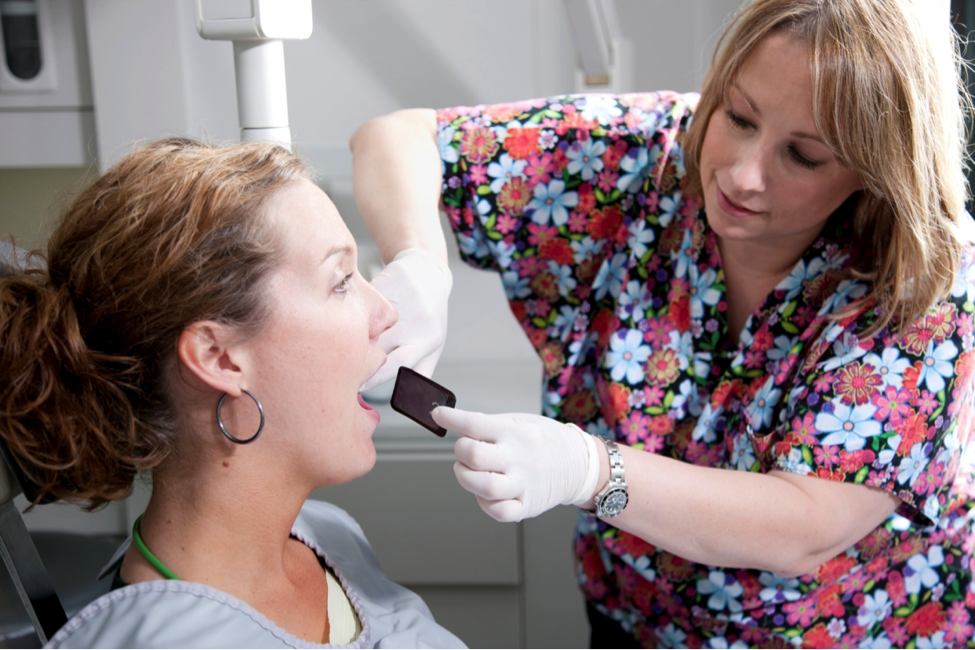
In this day and age, the most valuable training you can get in the health care and dental care sector is real life, hands-on work experience. While theoretical training is great for teaching you the necessary anatomy, theories and procedures, youa��ll need a solid foundation in real world, on-the-job training if you want to break into a great career upon graduation.A� Honing your skills with hands-on work experience will not only make you more confident
Advocate
The fourth program learning outcome adopted from the national competencies for an entry-to-practice dental hygienist is advocacy, highlighted below. According to the a�?Entry-To-Practice Competencies and Standards for Canadian Dental Hygienists January 2010a��, a�?Advocacya��speaking, writing or acting in favour of a particular cause, policy, individual or group of people. The focus is often aimed at reducing inequities in health status or access to health services.a�? As a result, some examples of abilities that dental hygiene students