In Brief: What Students Learn in a Dental Hygiene Clinic
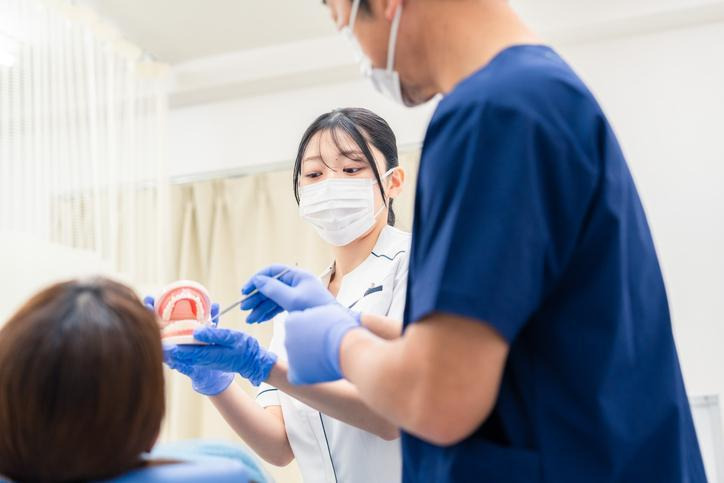
A dental hygiene clinic gives students an opportunity to move from classroom and laboratory learning into supervised clinical practice. Students can develop skills in patient assessment, oral health education, instrumentation, infection prevention, documentation, and professional communication before entering the profession. Working with patients also helps students learn how to adapt their knowledge to individual needs while following professional standards.
Learning the theory behind oral health is essential, but dental hygiene is ultimately a hands-on healthcare profession. Students need opportunities to translate what they have studied into safe, organized, patient-centred care.
That is where the dental hygiene clinic becomes an important part of training. In a supervised clinical environment, students can progressively build their abilities, learn to communicate with patients, and understand what delivering dental hygiene care looks like in practice.
For prospective students, seeing how clinical education works can also provide a clearer picture of what to expect from a dental hygienist diploma.
What Do Students Learn in a Dental Hygiene Clinic?
Clinical learning brings together many of the competencies introduced through coursework and pre-clinical practice.
Students develop experience with patient assessment, oral health education, dental hygiene instrumentation, treatment planning, documentation, infection prevention and control, and professional communication. They also learn that providing care involves much more than completing a technical procedure.
For example, a student may need to review a patient’s health information, perform appropriate assessments, identify oral health concerns, explain recommendations clearly, document findings, and evaluate care.
The College of Dental Hygienists of Ontario highlights assessment, documentation, evaluation, and modification of treatment as important elements supporting continuity of dental hygiene care.
These experiences help answer the broader question, what does a dental hygienist do, by showing students how multiple clinical and interpersonal responsibilities come together during an appointment.
Do Dental Hygiene Students Work With Real Patients?
Patient care is an important component of clinical education, completed within the requirements and supervision structure of the training program.
Before progressing into patient care, students build foundational knowledge and practise clinical techniques in controlled learning environments. As they develop their abilities, supervised patient experiences provide opportunities to apply those skills to real situations.
Working with patients introduces something simulations cannot completely reproduce: individual variation. Every patient can have a different medical history, oral health status, comfort level, communication style, and set of needs.
In a dental hygiene student clinic, students therefore learn to adapt while remaining systematic. They must listen carefully, communicate professionally, maintain appropriate records, and follow established protocols.
These interactions can gradually build the confidence required to move from knowing how a procedure should be completed to providing thoughtful care to an individual person.
Why Is Clinical Training Important in a Dental Hygiene Program?
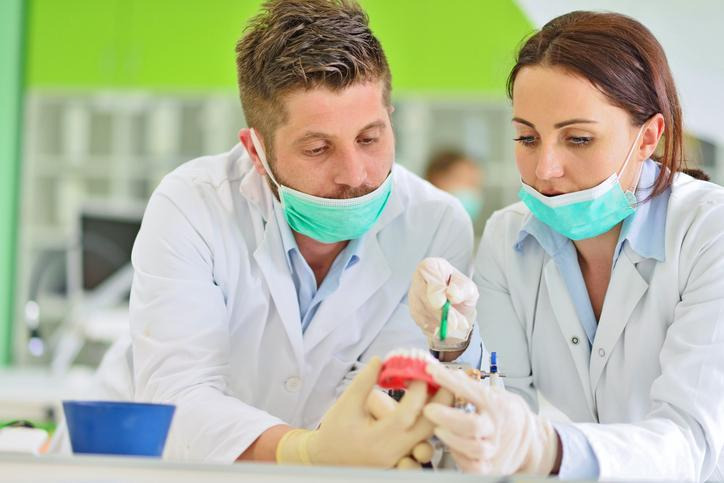
Why is clinical training important in a dental hygiene program? Because competence requires students to integrate technical ability, clinical judgment, communication, safety, and professionalism.
A student might understand an instrument’s purpose in theory but still need extensive practice to develop controlled technique. Likewise, knowing why dental hygiene is important is different from explaining oral health recommendations clearly to a patient who has specific questions or concerns.
Clinical experience allows students to practise making these connections.
It also reinforces habits that directly affect patient care. Students learn to organize appointments, prepare their work areas, follow infection-prevention procedures, maintain accurate records, manage time, communicate findings, and respond appropriately when circumstances change.
Developing careful habits during dental hygiene training can therefore provide an important foundation for future professional responsibilities.
What Should I Look for in a Dental Hygiene Training Program?
What should I look for in a dental hygiene training program? Prospective students should consider both what they will study and how they will develop practical competence.
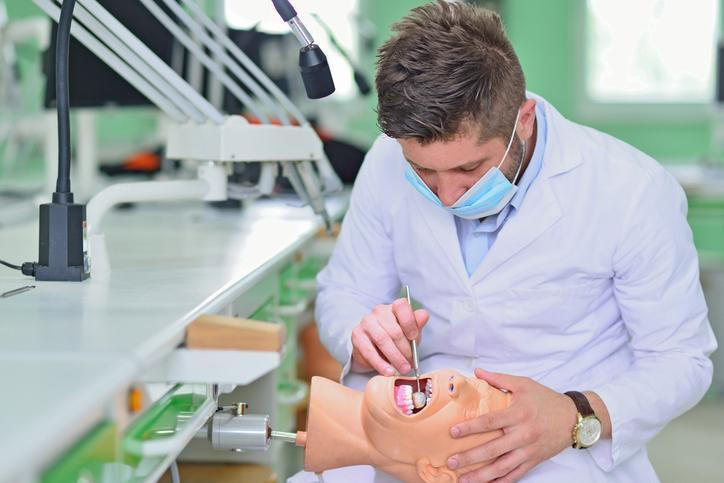
When researching programs, or even searching online for a “dental hygiene clinic near me”, look closely at the clinical component. Ask how students progress from classroom instruction to hands-on practice, what facilities and equipment are available, and how clinical supervision works.
It is also worth considering how the curriculum approaches patient assessment, instrumentation, infection prevention, radiography, communication, documentation, and professional responsibilities.
Students should investigate whether the program’s educational pathway aligns with applicable registration requirements. The CDHO, for example, has specific registration requirements for graduates seeking to practise as dental hygienists in Ontario.
Strong dental hygienist training should ultimately help students connect knowledge, practical skills, professional judgment, and patient interaction. The clinic is where many of those pieces begin to come together.
Are you looking for a comprehensive dental hygienist diploma program?
Contact CADH for more information.
Key Takeaways
- A dental hygiene clinic allows students to apply classroom knowledge in a supervised clinical setting.
- Students develop skills in assessment, instrumentation, documentation, infection prevention, oral health education, and communication.
- Working with patients teaches students to adapt care to individual needs and circumstances.
- Clinical practice helps students connect technical skills with professional judgment and patient-centred care.
- Prospective students should examine clinical facilities, supervision, curriculum, and the pathway toward applicable registration requirements when comparing programs.
FAQ
What do students learn in a dental hygiene clinic?
Students can develop skills in patient assessment, instrumentation, documentation, infection prevention, oral health education, treatment planning, and professional communication through supervised clinical learning.
Do dental hygiene students work with real patients?
Yes, patient care forms part of dental hygiene clinical education, subject to the requirements, progression standards, and supervision practices of the individual program.
Why is clinical training important in a dental hygiene program?
Clinical training gives students opportunities to integrate theoretical knowledge with technical skills, communication, clinical judgment, safety practices, and patient care.
What should I look for in a dental hygiene training program?
Consider the curriculum, clinical facilities, hands-on learning opportunities, supervision, patient-care experience, and how the program supports the educational pathway toward professional registration.